The 2026 FIFA World Cup was expected to create heroes on the field. Instead, one of the tournament’s first breakout stars emerged from a rental car somewhere between Atlanta and Houston.
Known online as Freddy, the German soccer fan behind the X account @FreddyLA7, has become one of the internet’s most unlikely sensations during the opening weeks of the World Cup. What started as a six-week road trip across the United States to follow Germany’s national team has turned into a social media phenomenon followed by hundreds of thousands of people around the world.
When Freddy landed in the United States in early June, he was largely known only within online soccer circles. But as he documented his first experiences with American culture, his audience exploded. Stops at Taco Bell, Waffle House, Buc-ee’s, Walmart, Chili’s, college football stadiums, and roadside attractions quickly became must-see content for both Americans and international soccer fans.
The appeal wasn’t complicated. While much of the world arrived focused solely on soccer, Freddy seemed fascinated by everything else.
A late-night Waffle House meal received a glowing review. A massive Buc-ee’s gas station left him in disbelief. College football stadiums looked larger than anything he had ever seen in Europe. One viral post simply showed his amazement at discovering what Americans consider a normal roadside stop. Millions viewed the reactions. Americans quickly adopted him as the unofficial ambassador of World Cup tourism.
His follower count surged from a relatively modest audience before the trip to well over 600,000 followers within days as his posts spread across sports media, television broadcasts and national news outlets. Soon the attention extended far beyond social media.
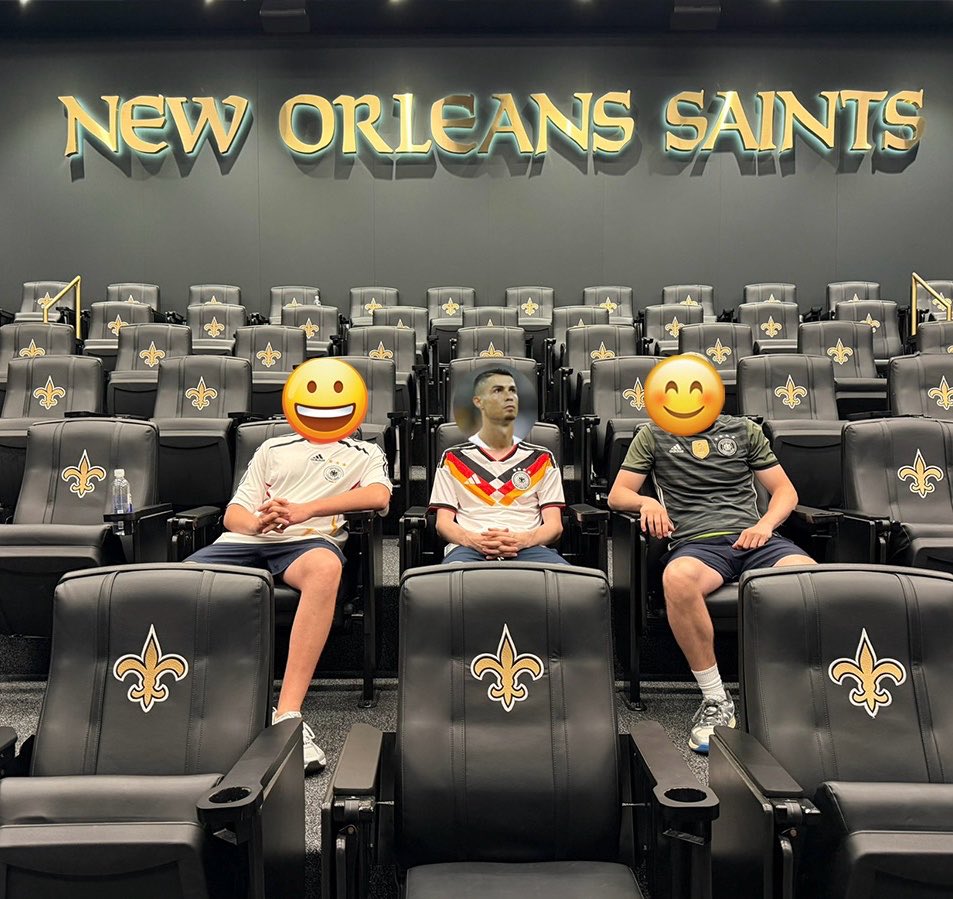
Former Houston Texans star and soccer investor J.J. Watt reached out to Freddy, arranging accommodations and helping welcome the German traveler to Houston ahead of Germany’s opening World Cup match. Local sports teams sent gifts. National media outlets profiled his journey. Even political figures and city leaders began interacting with his posts as they recognized the positive spotlight he was bringing to the host nation.
By the time Freddy arrived in Houston, he was no longer simply a tourist. He had become one of the faces of the tournament itself.
His road trip has resonated because it captures something larger than soccer. While debates over stadiums, logistics and politics often dominate discussions around major international tournaments, Freddy’s posts have focused on ordinary interactions with everyday Americans. Hotel workers offering rides in the rain, strangers providing travel recommendations, and local fans welcoming visitors have become recurring themes throughout his journey.
In many ways, Freddy has provided the World Cup’s first viral success story. Not a superstar player. Not a dramatic goal. Not a championship contender. Just a German soccer fan seeing America for the first time and sharing the experience with the world.
As the tournament continues and millions of fans travel across North America, Freddy’s journey has become a reminder of what global sporting events are supposed to create, which is the connections between people who otherwise would never meet.
For now, Germany may be chasing World Cup glory, but when it comes to winning over the internet, Freddy got there first.